
Essential Safety Knowledge for the Winter Season
Winter is more than just a temperature change—it’s a season that introduces a unique set of safety challenges. From icy commutes and outdoor maintenance to the physical strain of cold-weather activities, understanding first aid basics is essential for protecting yourself, your family, and your colleagues.
Understanding Common Winter Risks:
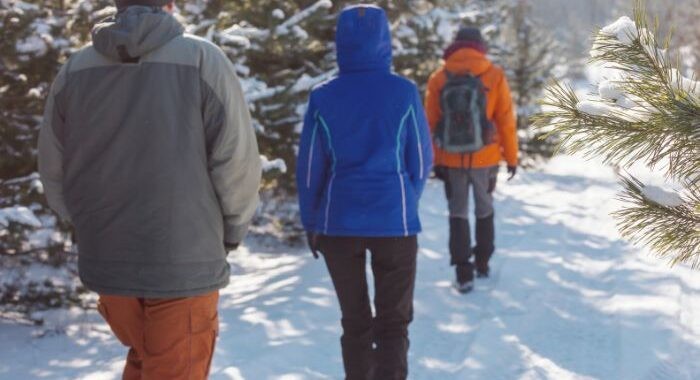
- Environmental Hazards: Icy walkways and wet floors significantly increase the risk of slips, trips, and falls. Knowing how to stabilise a suspected fracture or head injury before professional help arrives is a critical skill.
- Hypothermia & Frostbite: Prolonged exposure to low temperatures can lead to dangerous drops in body temperature or tissue damage. Recognising early signs—like shivering, confusion, or skin discolouration—is vital for timely intervention.
- Cardiac Strain: Cold weather constricts blood vessels, which can increase the risk of cardiac events during physical exertion (like shovelling snow). Recognising the warning signs of a heart attack can save lives.
- Indoor Safety: As we spend more time indoors, risks related to space heaters (burns) and carbon monoxide exposure increase. Proper ventilation and immediate wound care knowledge are key.
Key First Aid Techniques for the Season:
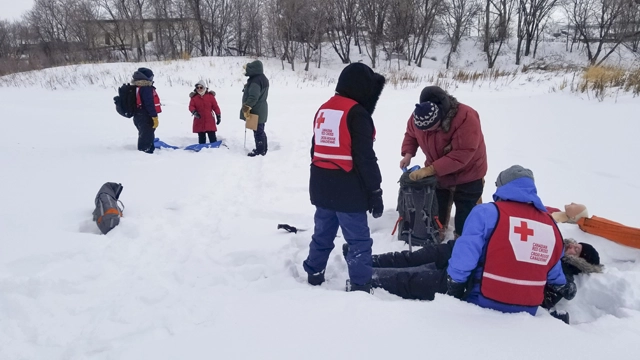
- CPR for All Ages: Understanding the specific techniques for adults, children, and infants is the foundation of emergency response.
- AED Proficiency: Knowing how to operate an Automated External Defibrillator can improve survival rates significantly during a cardiac emergency.
- Managing Choking: Indoor gatherings and heavy winter meals mean knowing how to clear an airway obstruction is a must-have skill.
- Soft Tissue & Bone Injuries: Learning the R.I.C.E. (Rest, Ice, Compression, Elevation) method helps manage winter-related sprains and strains effectively.
Actionable Winter Safety Tips:
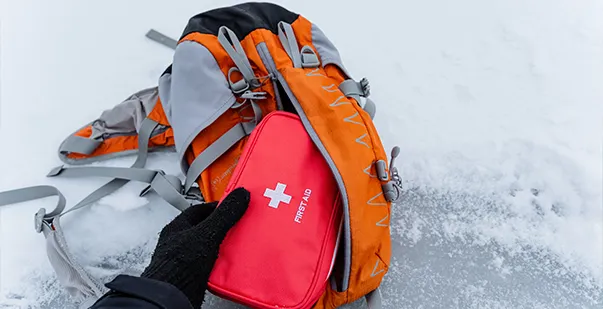
- Winterize Your Kits: Ensure your home, office, and vehicle first aid kits are stocked with thermal blankets, hand warmers, and extra bandages.
- Stay Informed: Regularly review emergency procedures and ensure everyone in your household or workplace knows the local emergency contact numbers.
- Assess the Scene: Always check for ice or environmental hazards before rushing to help someone who has fallen; you cannot help others if you become a casualty yourself.
- Dress in Layers: Prevention is the first step of first aid. Proper insulation prevents the onset of cold-related illnesses.
The Power of Preparedness
First aid is about more than just reacting to an accident; it is about the confidence to act when seconds count. By empowering yourself with updated safety knowledge, you reduce panic and improve outcomes for everyone involved.
As we navigate the challenges of the winter months, take a moment to refresh your training. A little preparation today can make a life-saving difference tomorrow.
#WinterSafety #FirstAidTips #EmergencyPreparedness #SafetyCulture #WorkplaceSafety #WinterHealth